

Crypto Mining News

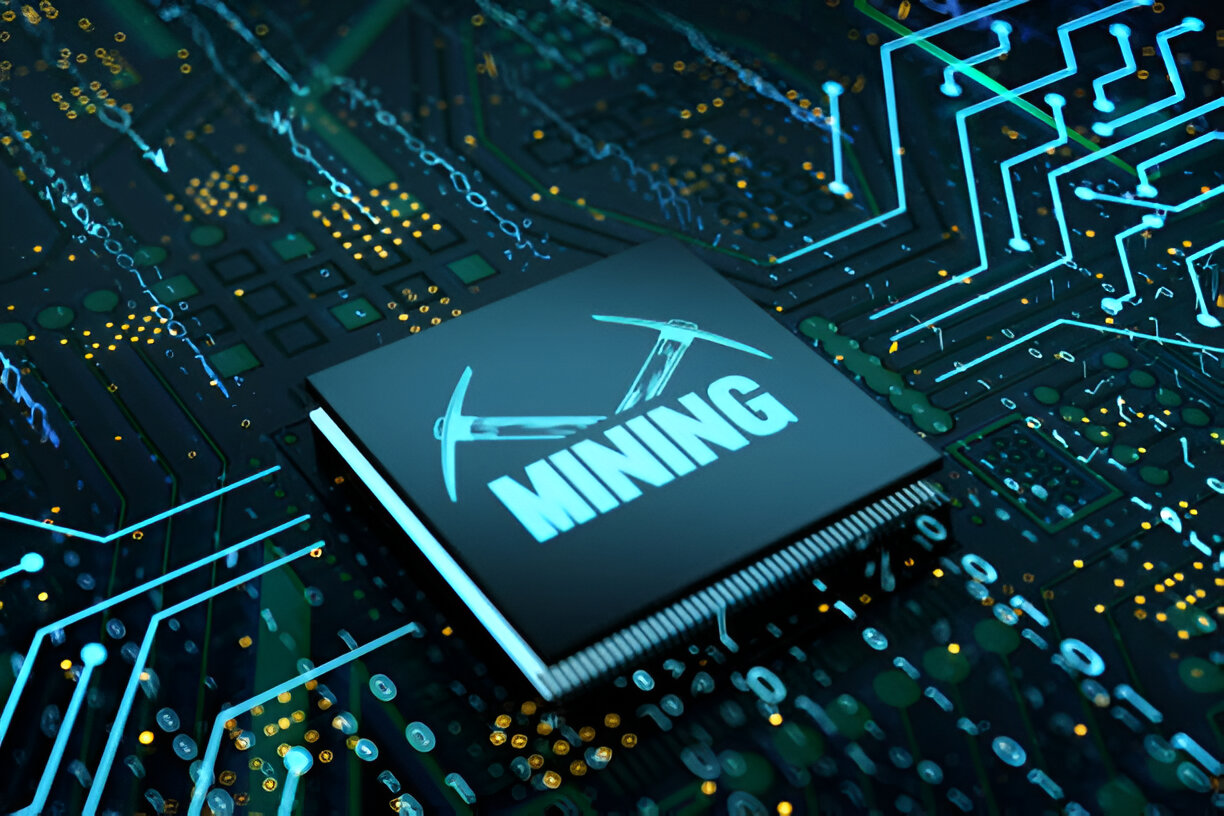
Crypto Mining News: The Industry Evolves Amid Regulation, AI, and Energy Challenges
Cryptocurrency mining continues to transform at a rapid pace as global adoption of digital assets grows stronger in 2026. What once started as a niche activity for tech enthusiasts has now become a multi-billion-dollar industry attracting institutional investors, governments, and energy companies worldwide. From Bitcoin mining farms powered by renewable energy to advanced AI-driven mining optimization systems, the crypto mining landscape is changing faster than ever before.
Recent developments in the industry show that miners are facing both exciting opportunities and increasing pressure. Governments are introducing stricter regulations, electricity prices remain volatile in several regions, and environmental concerns continue to influence public opinion. At the same time, technological innovation is helping mining companies become more efficient and profitable.
The latest crypto mining news highlights a major shift toward sustainability, smarter infrastructure, and geographic diversification. Large mining firms are expanding operations into regions with lower energy costs, while smaller miners are searching for ways to remain competitive in a market dominated by industrial-scale facilities.
As the crypto market matures, mining is no longer only about generating digital coins. It has become deeply connected to global energy markets, artificial intelligence, data center expansion, and financial technology innovation. Here is a closer look at the biggest trends shaping the future of crypto mining.
The Rise of Sustainable and Renewable Crypto Mining
One of the most significant developments in recent crypto mining news is the industry’s growing focus on sustainability. Environmental criticism has long surrounded Bitcoin mining because of the large amount of electricity required to secure blockchain networks. However, mining companies are increasingly investing in renewable energy solutions to reduce their carbon footprint and improve long-term efficiency.
Solar-powered mining farms are becoming more common in regions with abundant sunlight, while hydroelectric-powered facilities continue expanding in countries with strong renewable infrastructure. Wind energy projects are also being integrated into mining operations as companies attempt to stabilize operational costs and satisfy environmental expectations from regulators and investors.
Several mining firms are now partnering directly with renewable energy providers. These partnerships allow miners to access surplus electricity during periods of low demand, creating a mutually beneficial relationship between energy producers and blockchain companies. In some regions, crypto mining facilities are even helping stabilize local energy grids by purchasing unused power that would otherwise go to waste.
Another emerging trend involves using stranded natural gas to power mining equipment. Instead of allowing excess gas from oil drilling operations to be burned off into the atmosphere, companies are redirecting that energy into Bitcoin mining systems. This approach not only reduces waste but also creates an additional revenue stream for energy producers.
The transition toward greener mining is also becoming important for public relations. Institutional investors and publicly traded mining companies are under pressure to demonstrate environmental responsibility. Many firms now release sustainability reports detailing energy consumption, renewable energy usage, and emissions reduction strategies.
Despite this progress, challenges remain. Renewable energy infrastructure can be expensive to build, and not every mining region has access to affordable clean power. Critics argue that mining still consumes enormous amounts of electricity regardless of the source. However, supporters believe the industry is evolving quickly and could eventually become a catalyst for renewable energy expansion worldwide.
AI and Advanced Technology Are Transforming Mining Operations
Artificial intelligence is becoming a major force in crypto mining as companies search for ways to maximize efficiency and profitability. Modern mining operations now rely heavily on automation, predictive analytics, and machine learning systems to optimize performance and reduce downtime.
AI-powered monitoring systems can analyze mining hardware in real time, identifying overheating issues, power fluctuations, or failing components before they cause major disruptions. This proactive approach helps mining farms operate more efficiently while lowering maintenance costs.
Mining companies are also using AI to optimize electricity consumption. Since energy expenses represent one of the largest operational costs in mining, even small improvements in power management can significantly increase profits. Advanced algorithms can automatically adjust mining intensity based on electricity prices, weather conditions, and market trends.
Another important innovation involves immersion cooling technology. Instead of using traditional air-cooling systems, some mining facilities now submerge hardware in special cooling liquids that absorb heat more effectively. This method extends equipment lifespan, reduces noise, and allows mining machines to operate at higher performance levels.
Chip manufacturers are also releasing more powerful and energy-efficient mining hardware. New-generation ASIC miners deliver higher hash rates while consuming less electricity than older models. This ongoing hardware race is forcing miners to upgrade equipment more frequently to remain competitive.
Cloud mining services are also gaining attention again after previous years of skepticism. Improved transparency and better regulatory oversight are helping rebuild trust in some platforms that allow users to rent mining power remotely without purchasing physical equipment.
At the same time, cybersecurity remains a growing concern. As mining operations become more sophisticated and valuable, they are increasingly targeted by hackers and ransomware attacks. Companies are investing heavily in digital security systems to protect infrastructure, wallets, and sensitive operational data.
The integration of AI and advanced technology is changing mining from a relatively simple computational process into a highly technical and data-driven industry. Companies that fail to innovate may struggle to survive as competition intensifies and operational costs continue rising.
Regulation, Market Volatility, and the Future of Crypto Mining
Regulation remains one of the biggest factors shaping the future of crypto mining in 2026. Governments around the world are developing new rules to address concerns related to energy consumption, taxation, financial transparency, and environmental impact.
Some countries continue welcoming mining investment because it creates jobs and stimulates energy infrastructure development. These regions often offer lower electricity prices, favorable regulations, and tax incentives to attract mining companies. As a result, global mining activity has become more geographically distributed than ever before.
However, other governments are imposing restrictions or outright bans on mining operations due to concerns over power shortages and environmental sustainability. In several areas, authorities have introduced stricter licensing requirements and energy usage limits for large-scale mining farms.
Market volatility is another major challenge facing miners. Cryptocurrency prices can fluctuate dramatically within short periods, directly affecting mining profitability. When Bitcoin prices fall sharply, smaller mining operations often struggle to cover electricity and equipment costs.
The Bitcoin halving event also continues to influence the industry. Since mining rewards are periodically reduced, companies must rely on greater efficiency and lower operational costs to maintain profitability. This has accelerated consolidation within the mining sector, with larger corporations acquiring smaller competitors or expanding through mergers.
Publicly traded mining companies are increasingly diversifying their business models to reduce risk. Some firms are investing in artificial intelligence infrastructure, cloud computing services, and high-performance data centers. This diversification helps generate additional revenue streams beyond cryptocurrency mining alone.
Another growing trend is the integration of mining into national economic strategies. Some governments are exploring the use of state-backed mining initiatives to accumulate Bitcoin reserves or strengthen digital infrastructure. This reflects the broader recognition of cryptocurrency as an important part of the future global financial system.
Looking ahead, experts believe crypto mining will continue evolving into a more professionalized and technologically advanced industry. Sustainability, efficiency, and regulatory compliance are expected to become the defining characteristics of successful mining operations.
While challenges remain, the industry’s resilience and ability to adapt continue attracting investors and innovators from around the world. Crypto mining is no longer simply about generating digital assets—it is becoming a central component of the rapidly expanding digital economy.
As blockchain technology advances and global adoption increases, crypto mining will likely remain one of the most closely watched sectors in the financial and technology industries for years to come.