

Crypto Mining in Australia


Crypto Mining in Australia: Complete Guide to Opportunities, Costs, and Regulations
Cryptocurrency mining in Australia has grown from a niche tech hobby into a structured, semi-industrial activity driven by interest in digital assets like Bitcoin and Ethereum alternatives. With its stable political environment, developed energy infrastructure, and strong technology adoption, Australia presents both opportunities and challenges for crypto miners. However, profitability is tightly linked to electricity prices, regulation, and hardware efficiency.
This guide breaks down everything you need to know about crypto mining in Australia, including how it works, legal considerations, operational costs, mining strategies, and future prospects.

1. Introduction to Crypto Mining in Australia
Crypto mining refers to the process of validating blockchain transactions and securing decentralized networks using computational power. In return, miners receive cryptocurrency rewards, typically in Bitcoin or other proof-of-work (PoW) tokens.
In Australia, mining activity is spread across three main groups:
• Individual hobby miners using home setups
• Semi-professional miners running small rigs in garages or warehouses
• Large-scale industrial mining farms using renewable or wholesale electricity contracts
Australia’s appeal lies in its political stability, access to advanced technology, and increasing adoption of renewable energy sources such as solar and wind. However, high residential electricity costs remain a major barrier for small-scale miners.
Over the past few years, Australian mining interest has shifted from Bitcoin-only operations toward diversified mining, including altcoins and GPU-minable tokens, especially after Ethereum transitioned away from proof-of-work.

2. How Crypto Mining Works in the Australian Context
At its core, crypto mining is the same globally, but Australian conditions influence how operations are structured.
Proof-of-Work Mechanism
Most mining in Australia focuses on proof-of-work networks. Miners compete to solve complex mathematical puzzles using specialized hardware. The first to solve the puzzle validates a block and earns rewards.
Mining Hardware Used in Australia
Common mining setups include:
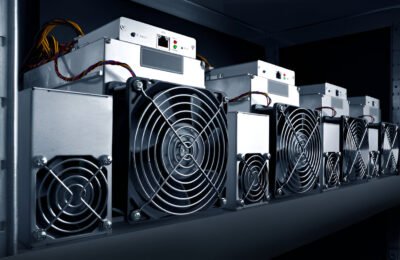
• ASIC miners (Application-Specific Integrated Circuits) for Bitcoin
• GPU rigs for altcoins and flexible mining operations
• FPGA devices for experimental or niche mining
ASIC miners dominate the Australian Bitcoin mining landscape due to their efficiency and higher hash rates.
Mining Pools
Most Australian miners join global mining pools to stabilize income. Instead of competing alone, miners combine computing power and share rewards proportionally. This reduces income volatility, especially important given Australia’s high electricity costs.
Internet and Infrastructure
Australia has strong internet infrastructure in urban centers like Sydney, Melbourne, and Brisbane, which supports mining operations. However, latency is generally less important than power efficiency and cooling systems.
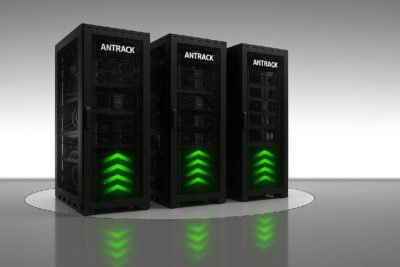
3. Legal and Regulatory Environment for Crypto Mining in Australia
Australia is one of the more crypto-friendly jurisdictions, but mining is not completely unregulated.
Cryptocurrency Legality
Crypto mining is legal in Australia. There are no restrictions on owning mining equipment or participating in blockchain networks.
Taxation Rules
The Australian Taxation Office (ATO) treats mined cryptocurrency as taxable income. Key points include:
• Mining rewards are taxed at the time of receipt based on market value
• Miners must declare income for business or hobby mining depending on scale
• Capital Gains Tax (CGT) applies when mined coins are sold or traded
Large-scale miners are usually classified as businesses and must maintain proper accounting records.
Business Regulations
Industrial mining operations may require:
• Business registration (ABN in Australia)
• Energy contracts with commercial providers
• Environmental compliance depending on location
Environmental Considerations
Australia places increasing focus on energy sustainability. While there is no direct ban on mining due to environmental impact, scrutiny is increasing, especially for operations consuming large amounts of fossil-fuel-generated electricity.
Mining farms that integrate renewable energy sources often receive better public and regulatory acceptance.
4. Costs and Profitability of Crypto Mining in Australia
Profitability is the biggest challenge for Australian miners due to electricity pricing and hardware costs.
Electricity Costs
Australia has some of the highest residential electricity rates in the developed world. Depending on the state, costs can range significantly, but they are generally much higher than in regions like parts of North America or Asia.
This means:
• Home mining is often unprofitable without solar support
• Industrial miners negotiate wholesale energy contracts
• Renewable energy integration is critical for sustainability
Hardware Costs
Mining equipment is expensive and frequently imported, which adds shipping and customs costs. ASIC miners can cost thousands of dollars per unit, and GPU rigs also require multiple components:
• Graphics cards
• Power supplies
• Cooling systems
• Motherboards and processors
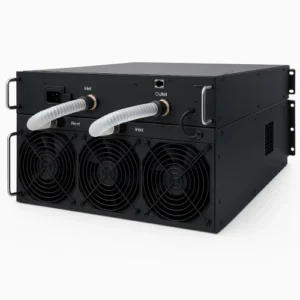
Cooling and Infrastructure Costs
Australia’s climate varies widely. In warmer regions like Queensland, cooling becomes a major operational expense. Air conditioning or liquid cooling systems are often required to maintain stable performance.
Profitability Factors
Profit depends on:
• Cryptocurrency price volatility
• Network difficulty
• Electricity efficiency (J/TH for ASICs)
• Pool fees
• Hardware uptime
Many Australian miners use profitability calculators to estimate returns daily, as margins can change rapidly.
5. Mining Setups and Infrastructure in Australia
Successful mining operations in Australia rely heavily on optimizing infrastructure and energy usage.
Residential Mining Setup
Typical home setups include:
• 1–3 ASIC miners or GPU rigs
• Modified electrical wiring to handle high loads
• Basic cooling solutions (fans, ventilation, or AC)
• Noise reduction measures
These setups are usually used by hobbyists or those experimenting with mining rather than maximizing profit.
Small Business Mining Farms
Mid-level operations are more structured and may include:
• Dedicated warehouse spaces
• Multiple ASIC machines (10–100 units)
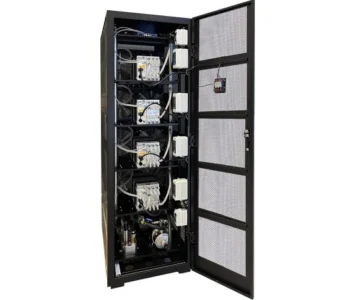
• Industrial cooling systems
• Managed electricity contracts
• Remote monitoring systems
These setups aim for consistent profitability and scalability.
Large-Scale Mining Operations
Industrial mining farms in Australia are typically located in regions with cheaper electricity or renewable energy sources.
Characteristics include:
• Thousands of ASIC units
• Solar or wind energy integration
• Advanced heat management systems
• AI-based monitoring and optimization systems
States with strong renewable energy infrastructure are particularly attractive for large-scale operations.
Renewable Energy Integration
Australia is a global leader in solar energy adoption. Many miners use:
• Rooftop solar panels for home mining
• Solar farms for industrial mining
• Battery storage systems to stabilize output
This helps reduce operational costs and improves sustainability credentials.
6. Future of Crypto Mining in Australia
The future of crypto mining in Australia is shaped by technology, regulation, and energy innovation.
Shift Toward Renewable Mining
One of the strongest trends is the shift toward green mining. As electricity costs and environmental concerns rise, miners are increasingly adopting:
• Solar-powered mining farms
• Wind energy partnerships
• Carbon-neutral mining initiatives
This shift could make Australia a leader in sustainable blockchain infrastructure.
Increasing Institutional Participation
Large investment firms and tech companies are showing interest in blockchain infrastructure. This may lead to:
• More professional mining farms
• Improved efficiency standards
• Integration with data centers and AI computing hubs
Regulatory Evolution
Although current regulations are stable, future policy may introduce:
• Stricter environmental reporting requirements
• Energy consumption monitoring for large farms
• Tax clarity improvements for crypto businesses
Australia is unlikely to ban mining but may regulate energy usage more tightly.
Market Volatility and Mining Viability
Mining profitability will continue to depend on crypto market cycles. During bull markets, mining expands rapidly; during downturns, smaller miners often exit the market.
Technological Advancements
Next-generation ASICs and more efficient GPUs will continue to reshape mining economics. As efficiency improves, Australian miners may become more competitive globally despite high energy costs.