

Bitcoin mining in Australia 2025

Bitcoin mining in Australia 2025
Bitcoin mining in Australia has become increasingly popular among cryptocurrency enthusiasts and investors looking to generate passive income through digital assets. With access to advanced ASIC miners, reliable electricity infrastructure, and a growing crypto ecosystem, Australia offers opportunities for both beginner and experienced miners. This guide explores Bitcoin mining profitability, legal requirements, hardware selection, electricity costs, and strategies to maximize returns in 2025.
What Is Bitcoin Mining and How Does It Work in Australia?
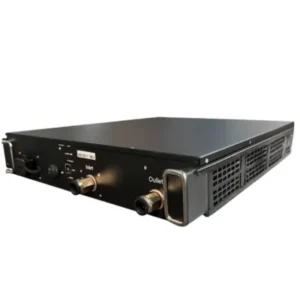
Bitmain Antminer L11 Hyd 2U (35Gh/sBitcoin mining is the process of validating transactions on the Bitcoin blockchain and securing the network using powerful computers known as ASIC miners (Application-Specific Integrated Circuits). Miners compete to solve complex mathematical problems, and the first miner to solve the problem earns a block reward in Bitcoin.
In Australia, Bitcoin mining operates similarly to other countries. Miners purchase ASIC mining hardware, connect it to mining pools, and use electricity to perform calculations that secure the blockchain.
Mining has evolved significantly since Bitcoin’s early days. Today, profitable mining requires specialized hardware rather than standard computers. Popular ASIC miners such as the Antminer series and WhatsMiner models dominate the industry because of their efficiency and high hash rates.
Australian miners often choose between:
• Home mining setups
• Garage mining operations
• Warehouse-scale mining farms
• Hosted mining services
The profitability of Bitcoin mining largely depends on electricity costs, hardware efficiency, Bitcoin price movements, and mining difficulty.
One advantage for Australian miners is access to renewable energy sources in certain regions. Solar-powered mining operations have become increasingly attractive as miners seek to reduce electricity expenses and improve long-term profitability.

Is Bitcoin Mining Legal in Australia?
One of the most common questions among beginners is whether Bitcoin mining is legal in Australia.
The answer is yes. Bitcoin mining is legal throughout Australia, and there are currently no federal laws prohibiting individuals or businesses from mining cryptocurrency.
However, miners should consider several important factors:
Business Registration
Large-scale mining operations may need to register as businesses depending on their structure and revenue generation.
Tax Obligations
The Australian Taxation Office (ATO) may classify mining income as business income or investment-related income depending on the mining activity.
Local Regulations
While mining is legal, local councils and utility providers may impose restrictions related to:
• Noise pollution
• Power consumption
• Commercial property usage
• Industrial zoning requirements
Electricity Contracts
Large mining operations often negotiate commercial electricity agreements to secure lower power rates and improve profitability.
Australian regulators generally focus on ensuring tax compliance rather than restricting mining activities. This provides a relatively favorable environment for cryptocurrency miners compared to some countries that have introduced mining bans or restrictions.
Electricity Costs and Their Impact on Mining Profitability
Electricity costs represent the single largest expense for most Bitcoin mining operations.
In Australia, electricity prices vary significantly between states and territories.
Typical residential electricity rates can range from:
• Queensland: Lower rates in some regions
• New South Wales: Moderate to high rates
• Victoria: Moderate rates
• South Australia: Often among the highest rates
• Western Australia: Variable depending on location
When operating ASIC miners, electricity costs can dramatically impact profitability.
For example, an ASIC miner consuming 3,500 watts continuously will use approximately:
3.5 kW × 24 hours = 84 kWh daily
If electricity costs AUD $0.30 per kWh:
84 × 0.30 = AUD $25.20 daily electricity cost
Over a month, that equals approximately AUD $756.
This is why many Australian miners explore alternative energy solutions such as:
Solar Energy
Australia’s abundant sunlight makes solar-powered mining attractive. Many miners install solar systems to offset daytime electricity usage.
Off-Peak Electricity
Some providers offer reduced rates during off-peak periods.
Hosted Mining Facilities
Mining hosting companies often secure industrial electricity rates that are significantly lower than residential pricing.
Renewable Energy Sources
Hydroelectric, wind, and solar-powered mining operations can improve profitability while reducing environmental impact.
Reducing electricity expenses often has a greater impact on profitability than upgrading hardware.

Best ASIC Miners for Bitcoin Mining in Australia
Choosing the right ASIC miner is crucial for maximizing mining returns.
Several models remain popular among Australian miners due to their performance and efficiency.
Antminer S21 Series
The Antminer S21 is among the most efficient Bitcoin miners available.
Benefits include:
• High hash rate
• Improved energy efficiency
• Lower operating costs
• Reliable long-term performance
WhatsMiner M60 Series
The WhatsMiner lineup continues to compete with Antminer products.
Advantages include:
• Stable operation
• Strong durability
• Competitive profitability
• Enterprise-level performance
Antminer S19 Series
Although older than newer models, the S19 remains widely used because:
• Lower purchase cost
• Proven reliability
• Strong secondary market availability
• Good profitability in lower electricity-cost regions
Factors to Consider Before Buying
Before purchasing an ASIC miner, Australian miners should evaluate:
• Initial investment cost
• Hash rate
• Energy consumption
• Warranty support
• Import duties and shipping costs
• Noise levels
• Cooling requirements
The most profitable miner is not always the one with the highest hash rate. Efficiency and electricity consumption often matter more over the long term.
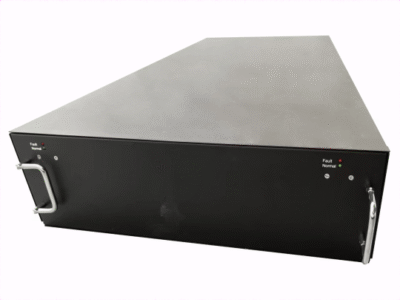
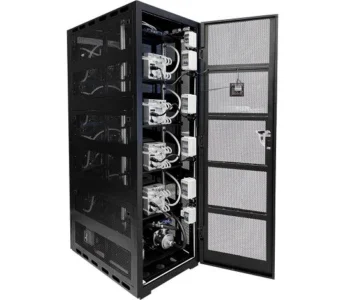
Antminer S23 Hyd 3U (1160 th/s)
How to Calculate Bitcoin Mining Profits in Australia
Mining profitability depends on multiple variables that change regularly.
Key factors include:
Bitcoin Price
Higher Bitcoin prices generally increase mining revenue.
Mining Difficulty
As more miners join the network, mining difficulty rises, reducing individual earnings.
Hash Rate
A miner’s computational power determines its share of network rewards.
Pool Fees
Most miners join mining pools that charge small fees for participation.
Electricity Costs
Power expenses directly affect net profit.
Equipment Cost
Hardware investment must be recovered before generating meaningful returns.
A basic profitability calculation involves:
Monthly Mining Revenue
Minus
Electricity Costs
Minus
Pool Fees
Equals
Estimated Monthly Profit
Successful Australian miners regularly monitor profitability metrics and adjust operations accordingly.
They may:
• Upgrade inefficient hardware
• Switch mining pools
• Optimize cooling systems
• Expand renewable energy usage
• Reinvest profits into additional equipment
Mining profitability calculators can help estimate potential returns before purchasing hardware.
Future of Bitcoin Mining in Australia
Australia is well-positioned to remain an important market for Bitcoin mining.
Several factors support continued growth:
Growing Cryptocurrency Adoption
Bitcoin adoption continues to expand among individuals, institutions, and businesses.
Renewable Energy Opportunities
Australia’s solar energy potential creates unique opportunities for cost-effective mining.
Improved Mining Hardware
New ASIC miners deliver higher efficiency and lower operating costs.
Institutional Interest
Larger investors are increasingly exploring mining as part of broader cryptocurrency strategies.
Infrastructure Development
Mining hosting providers and data centers continue expanding their services across Australia.
However, miners should remain aware of potential challenges:
• Rising electricity costs
• Increased mining difficulty
• Regulatory changes
• Hardware supply constraints
• Market volatility
Those who focus on efficient operations, cost management, and long-term planning will likely be best positioned for success.
As Bitcoin continues evolving, Australian miners who adapt to new technologies and energy solutions may find significant opportunities in the years ahead.
Conclusion
Bitcoin mining in Australia offers exciting opportunities for investors, crypto enthusiasts, and businesses seeking exposure to the world’s largest cryptocurrency. While profitability depends on factors such as electricity costs, hardware efficiency, and Bitcoin prices, Australia’s strong infrastructure and growing renewable energy sector make it an attractive location for mining operations.
Whether you are considering your first ASIC miner or expanding an existing mining farm, understanding electricity costs, legal requirements, profitability calculations, and hardware selection is essential. By choosing efficient equipment, optimizing energy usage, and staying informed about industry developments, Australian miners can improve their chances of building a successful and profitable Bitcoin mining operation in 2025 and beyond.